
Why Do I Do Everything Right and Still Feel Like Crap?
You can eat perfectly, have the best workout routine, follow every protocol, and still miss what actually makes you healthy. The missing piece is almost never another supplement or a stricter diet. It is usually the parts of life that conventional health advice ignores entirely: connection, flexibility, joy, and learning to trust your body again. Read on to learn what to do when you’re doing everything right but still feel like crap.
As you probably know by now, I'm a traveling dietitian. Not an official title like "travel nurse." I just work remotely and decided to take that freedom a little… literally. I started nomading almost two years ago and have since lived in about twenty different countries.
As a dietitian who specializes in reversing autoimmune disease, I spent years chasing "perfect" health. When I finally reversed my autoimmune disease and got my life back, I made a promise to myself: I wasn't going to waste it.
Cliché, I know. But clichés exist for a reason.
When you spend years of your life feeling like the walking dead, being a normal human again makes you want to use your life. Enthusiastically. Possibly a tad recklessly.
Here's the strange part: on paper, my habits on the road are objectively "less healthy" than when I had a stable home, routine, and a perfectly stocked fridge. And yet, my health has never been better.
Nomading forced me to confront a truth we don't talk about enough in the health world:
You can do everything "right" and still miss the point.
Here's everything I've learned about health while nomading, so you don't have to fly a million miles around the world to learn it yourself. (Though if you're tempted… do it.)
1. Release Your Death Grip on Life
If you've dealt with chronic illness or chronic symptoms, you become exceptional at one thing: control.
You learn exactly what to eat, when to eat, how long you can be out before you crash, what supplements to take at the first whisper of a symptom. It's a survival skill. And a good one.
But once you're out of survival mode, that same skill can turn you rigid. Miserable. Afraid to live unless everything is planned down to the minute.
I call this condition stick-up-the-butt-itis.
Can Over-Controlling Your Health Actually Make You Sicker?
Yes. Hypervigilance around health, especially after chronic illness, becomes its own source of chronic stress. And chronic stress drives inflammation, disrupts immune function, and keeps the nervous system stuck in survival mode, which is the opposite of healing.
Fresh into remission, my health felt fragile. Like if I loosened my grip for even a second, everything would collapse. So I planned obsessively. I refused to dine out unless I could scour the menu ahead of time. I structured my days around worst-case scenarios. And when the endless "what-ifs" felt overwhelming, I'd choose to stay home alone eating a sad salad instead of risking it all.
Then I started traveling.
And I learned something radical: almost nothing is un-figure-out-able.
As someone who used to travel with a mini Whole Foods in her suitcase, this was revolutionary. Early on, I carried the terror that eventually I'd erupt into a dumpster-fire of a flare. But the more I traveled, the more I realized this was a story my survival-mode brain was spinning.
In reality? I've found life-saving antibiotics in the Peruvian sand dunes. Turmeric for swollen joints in a tiny mountain town in France. Antimicrobial herbs in South Africa for a stomach bug from hell.

Said remote sand dunes where I miraculously found antibiotics.
Yes, some planning matters. Carry emergency snacks. Stock up when you find a good grocery store. Bring your core supplements.
But micromanaging your entire life isn't doing what you think it is. It doesn't help you live. It makes your life smaller.
The real joy doesn't happen at the perfectly planned brunch or the scheduled tour. It happens in the spontaneous walk afterward. The restaurant you stumble into at the end of a long day. The moments that unfold without a script.
And the more you let yourself live on the fly, the more confident you become that you can handle whatever comes up.
2. Community Is Not Optional
A huge part of my autoimmune healing journey was strengthening my existing relationships and finding communities where I truly felt I belonged. Before traveling, my social life was objectively good. I had close friends. I saw them regularly.
But it was contained.
Plans were made weeks in advance. Usually a dinner here, a small gathering there. And at the time, I thought this was great.
Until nomading cracked that wide open.
I went from carefully planned social events to living in the same building as thirty of my friends. What used to be a dinner planned months in advance became daily rooftop meetups to unwind after work. Morning coffee walks to set the tone for the day. Not extravagant parties—just ordinary moments of connection, happening far more often.
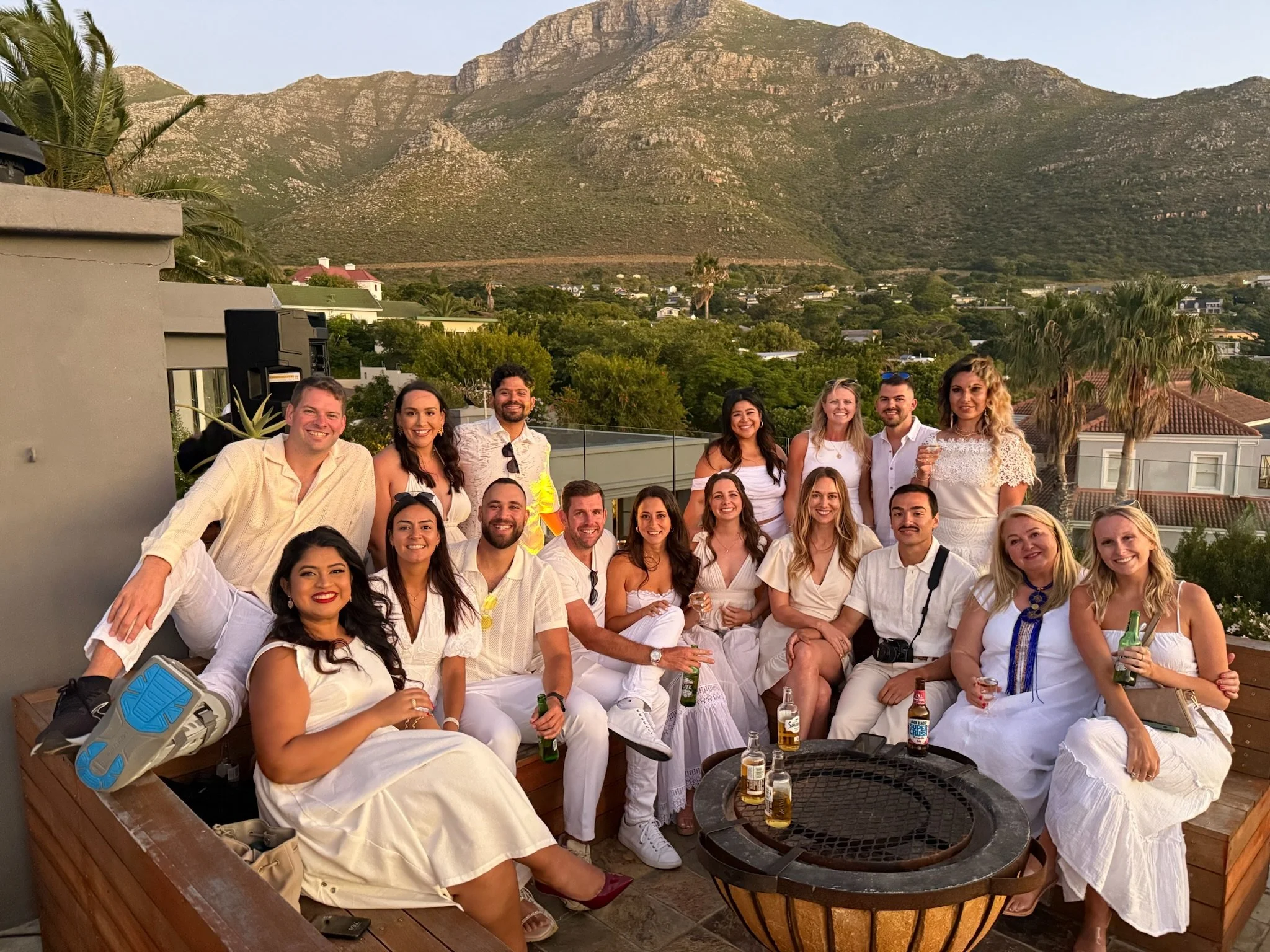
No shortage of social time here.
I never thought I was lonely before nomading. But I realized how much my life could expand simply by being in the presence of community.
Even with more dinners out and a few nights staying up later than was “best” for my circadian rhythm, I felt better. Lighter. More alive. Like my cells were vibrating with joy.
Does Social Connection Actually Affect Your Health?
Yes, and more than most people realize. Connection is one of the strongest predictors of long-term health and longevity we have, on par with diet and exercise. Social isolation, by contrast, drives chronic stress and inflammation.
And in a world where connection has come to mean sending texts and Instagram reels, that truth feels almost revolutionary.
Connection isn't a luxury. It's medicine.
3. Those Five Pounds Don’t Matter (Unless You Want Them To)
Toward the end of my first month abroad, I had a day packed with a coffee walk, brunch, a beach day, and a big group dinner. As I jumped into my jeans, they didn’t quite slide on like I expected. The waistband dug into my gut, a roll of flesh hanging over the band.
I looked at myself in the mirror and two thoughts popped into my head:
I don’t like how that looks.
I don’t care.
I grew up in the 90s and early 00s. I am no stranger to standing in front of the mirror and picking apart every last square inch of my body. It’s basically a right of passage. So not caring about those extra pounds felt like not caring that my scuba tank was running out of oxygen.
Foreign and reckless.
But my health had only recently stabilized. Feeling “generally well” was still new. Feeling “holy crap, my life is amazing” was brand-stinking-new—and I wasn’t about to sacrifice that over a few pounds.
The same thing that once might have caused me to cancel dinner plans and eat a sad bowl of oatmeal at home while I planned a calorie deficit barely registered.
This doesn't mean you can’t have body composition goals. You absolutely can. And after that initial month abroad, I got into a better routine, started working out regularly again, and nourishing my body better (because as great as that first month was, I was starting to feel the effects physically).
But if your “ideal body” requires a small, joyless life to maintain it… what’s the point?
Goals should add to your life, not subtract from it.
4. Your Body Is Smarter Than You Think
We’ve gotten very good at outsourcing our intuition.
Why listen to fatigue when there’s a coffee shop on every corner?
Why tolerate discomfort when you can pop an Advil?
Why feel anything at all when you can doomscroll the pain away?
Learning to actually listen to your body is your greatest health advantage.
As someone who was trying to maximize life, I had to learn this skill fast, lest I burn myself into the ground (and, let’s be honest: I needed a few of these “crash-and-burn lessons” before I actually gave in to listening to my body. What can I say? I’m stubborn). When each day offers a bakery stop in the morning, followed by a walking tour, an exciting dinner, and a rooftop gathering to cap it off, you have to get very good at knowing which activities will fuel you—and which will drain you.
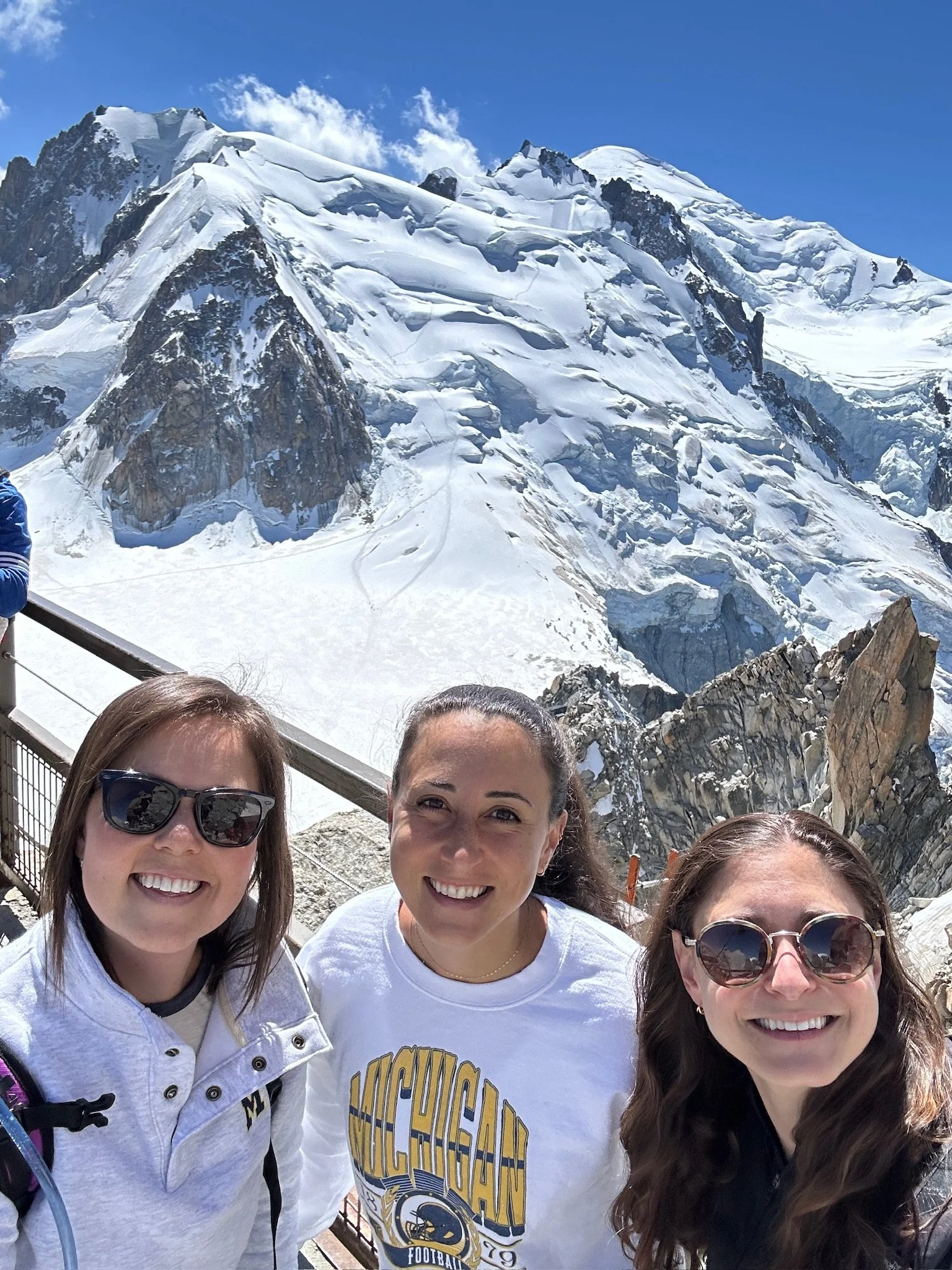
The activities I need to preserve my energy for.
How Do I Learn to Listen to My Body Again?
Listening to your body is a skill, and it has to be rebuilt after chronic illness. The first step is removing the noise that drowns it out: constant stimulation, pushing pain away, and the habit of overriding what you feel in favor of what you think you should be doing.
Your body is smart. It will tell you when you need movement or when rest is more healing. When that brownie will add joy or when it will add symptoms. When socializing will fuel you or when a quiet night in is the best medicine. You just need to be quiet enough to listen. And humble enough to admit when you made the wrong choice.
Your body wants you to thrive. And once you listen, healthy choices stop feeling like punishment. They become the obvious answer.
5. Don’t Be Your Own Limiting Factor
After I’d been nomading for some time, people kept coming up to me and saying “Wow, I wish I could do that.” Now, of course, some people have very real barriers: kids, an office job, family members or friends they have to take care of. But many of these people were just as unburdened as I was: Remote worker. No children or aging parents to care for. No real barriers, except for the ones they imposed upon themselves.
Now it’s one thing to simply be paying lip service—sure, if someone tells me they skydive, I might say “Gosh, I wish I could do that,” but there is a 0% chance I will ever skydive because I hate the feeling of falling and, frankly, value being alive.
But if there’s a dream you truly have, do not be the person to tell yourself no. There are plenty of other people and systems who will do that for you. Don’t join them.
Of course it’s terrifying to chase the life you want. I couldn’t sleep for a month leading up to nomading. There will always be excuses that keep you safe.
But if there’s something you’ll regret not doing, don’t get in your own way. So much more is possible than we tell ourselves. It just requires the courage to actually do it.
The Takeaway
You don’t need to sell everything you own or live out of a suitcase to integrate these lessons (unless you want to—then seriously, do it).
But you can loosen your grip.
Stop controlling every variable. Prioritize connection. Let your goals enhance your life instead of shrinking it. Listen to your body. And question the limits you’ve silently accepted.
Because health isn’t about perfect habits.
It’s about building a life worth being healthy for.
Want Support Applying This to Your Own Health?
This is the work I do with clients every day—helping them move out of survival mode and into a life that actually feels good to live. Not through rigid rules, but through personalized nutrition, lifestyle shifts, nervous system support, and a lot of unlearning.
If you’re ready to stop micromanaging your health and start trusting your body again, you can learn more about working with me below.
FAQ
Why do I do everything right with my health and still feel terrible?
Doing everything "right" nutritionally can feel like the correct move, but there is a point of diminishing returns. Chronic stress, social isolation, overcontrolling behavior, and a lack of joy are all documented contributors to inflammation and physiological dysfunction. If your protocol is dialed in but your life feels small and joyless, that is likely where the missing piece lives.
Can too much focus on healthy eating make you sicker?
Yes. When hypervigilance around food and health becomes its own chronic stressor, contributing to the physiological dysfunction you’re trying so hard to fix. There is a point at which the stress of "doing everything right" outweighs the benefit of the individual habits.
Does social connection actually affect health and wellbeing?
Yes. Loneliness and social isolation are associated with poorer health outcomes. Conversely, strong social connection is one of the most robust predictors of long-term health and longevity we have. For people healing from any chronic health issue, community is not optional. It is part of the protocol.
How do I stop overcontrolling my health after chronic illness?
Start by recognizing that the hypervigilance developed during illness was adaptive at the time, but is no longer serving you. The goal is not to abandon all structure but to loosen your grip gradually. Test small moments of flexibility. Notice that nothing catastrophic happens. Over time, your nervous system learns that it is safe to exist without total control.
